Why Amsterdam East is worth exploring
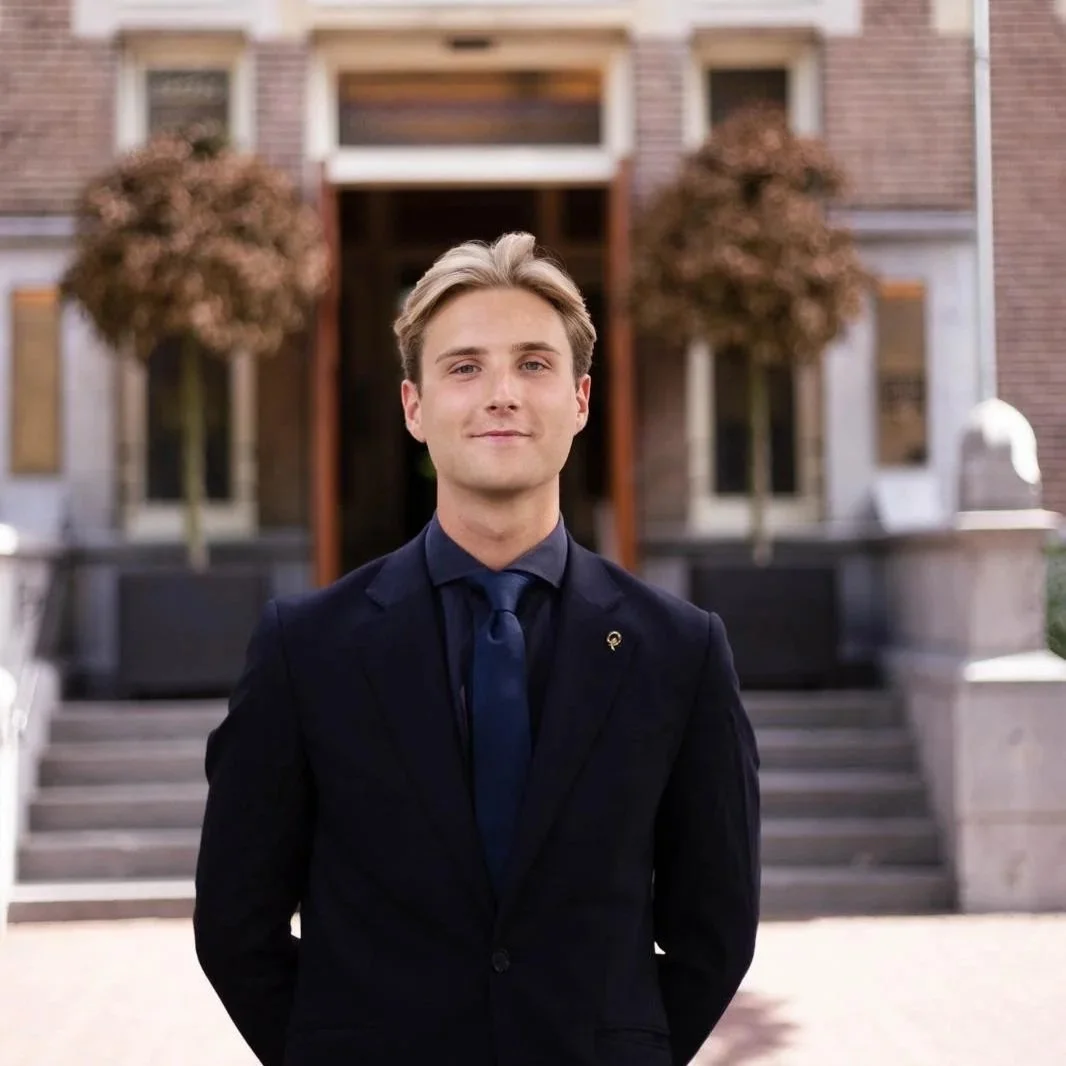
By Sam Lasschuyt, Junior Concierge at Pillows Maurits at the Park
Many guests arrive with a list of museums, canals, and landmarks they want to see. What often surprises them is how much there is to discover within walking distance of the hotel.
Amsterdam East offers a different perspective on the city. Oosterpark, local cafés, cultural institutions, and residential streets create a rhythm that feels quieter than the historic centre, while remaining closely connected to it.
At the centre of much of that daily rhythm is Oosterpark.
A walk through Oosterpark and Amsterdam East
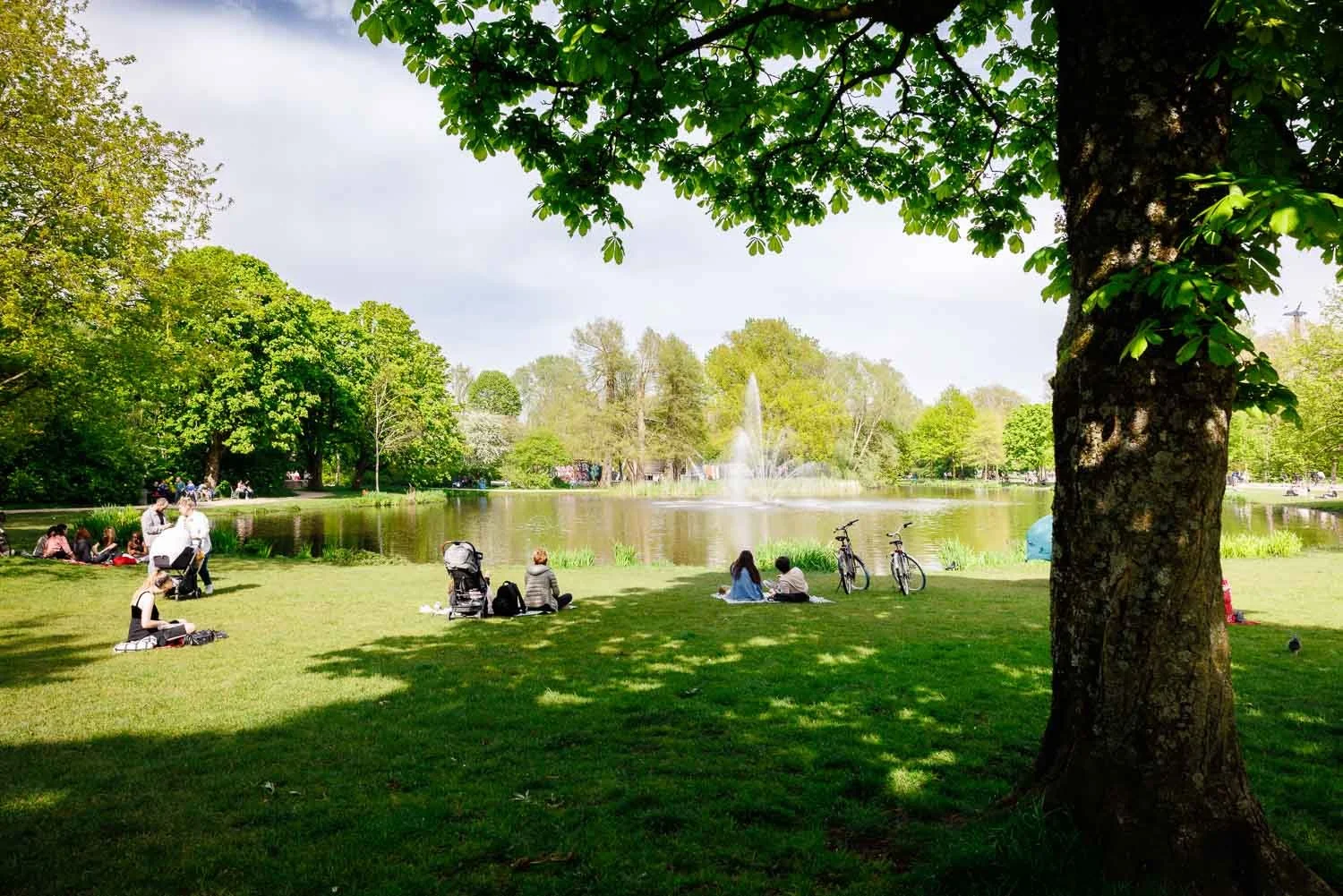
Just behind Pillows Maurits at the Park lies Oosterpark, a green space that has been part of neighbourhood life for more than a century.
Especially in the early morning, it feels spacious and relaxed. Runners move through the paths beneath the trees while locals walk dogs or stop for coffee beside the water before work begins.
Opened in 1891, Oosterpark was Amsterdam’s first large public park developed by the municipality. Today, it remains closely connected to the neighbourhood around it.
Some guests start the morning slowly with breakfast overlooking the park before taking a walk beneath the trees. Others prefer something more active, beginning the day with a class at Rocycle or PLTS Reformer Pilates Oost before settling in for coffee afterwards.
Cycling also remains one of the best ways to experience this side of Amsterdam.
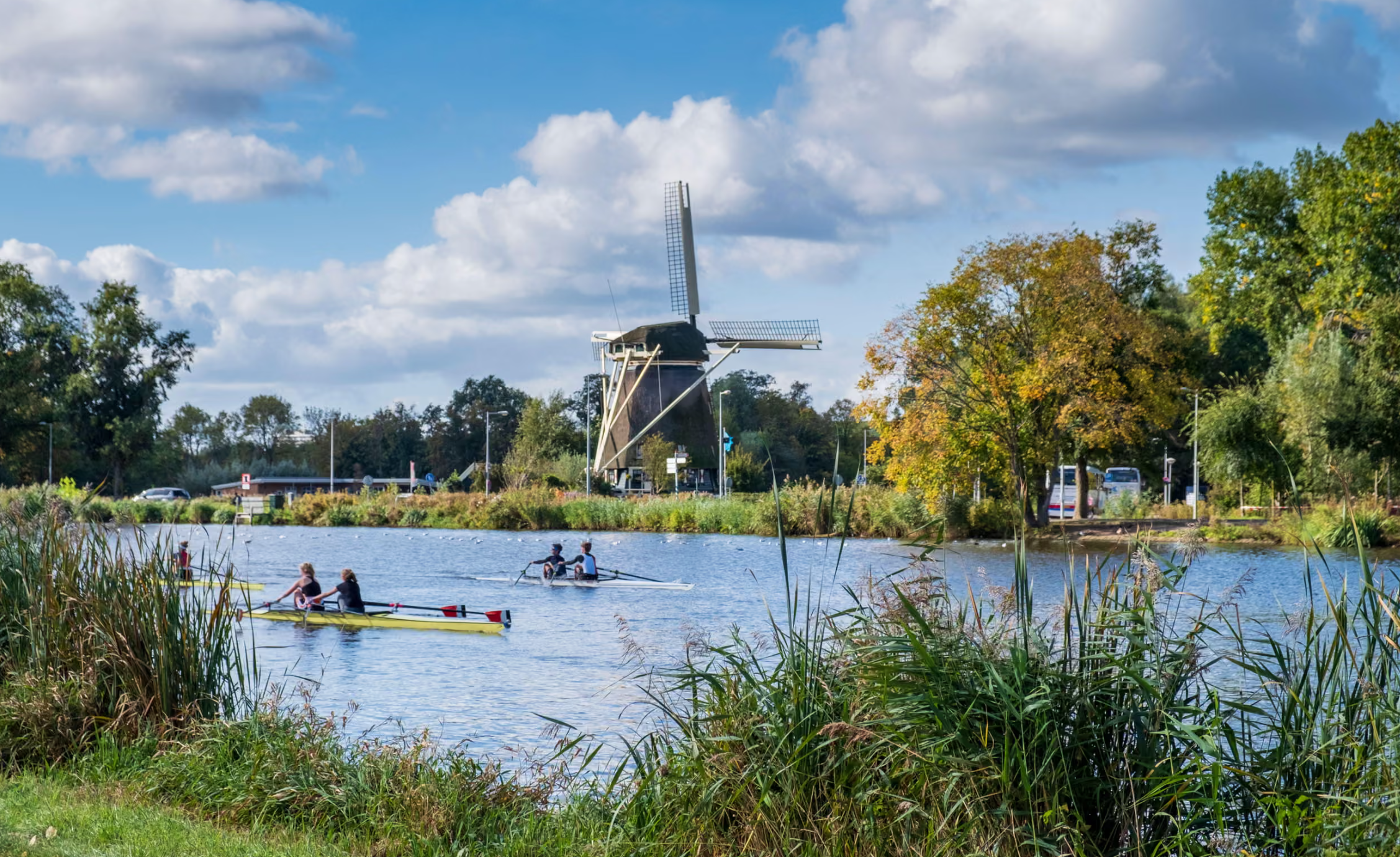
One route I personally enjoy follows the Amstel River southwards from the city. Within minutes, the streets open into quieter roads, windmills, gardens, and stretches of countryside that inspired painters such as Rembrandt during the Dutch Golden Age. Especially early in the day, it shows a side of Amsterdam many visitors never see.
Museums, culture, and local character
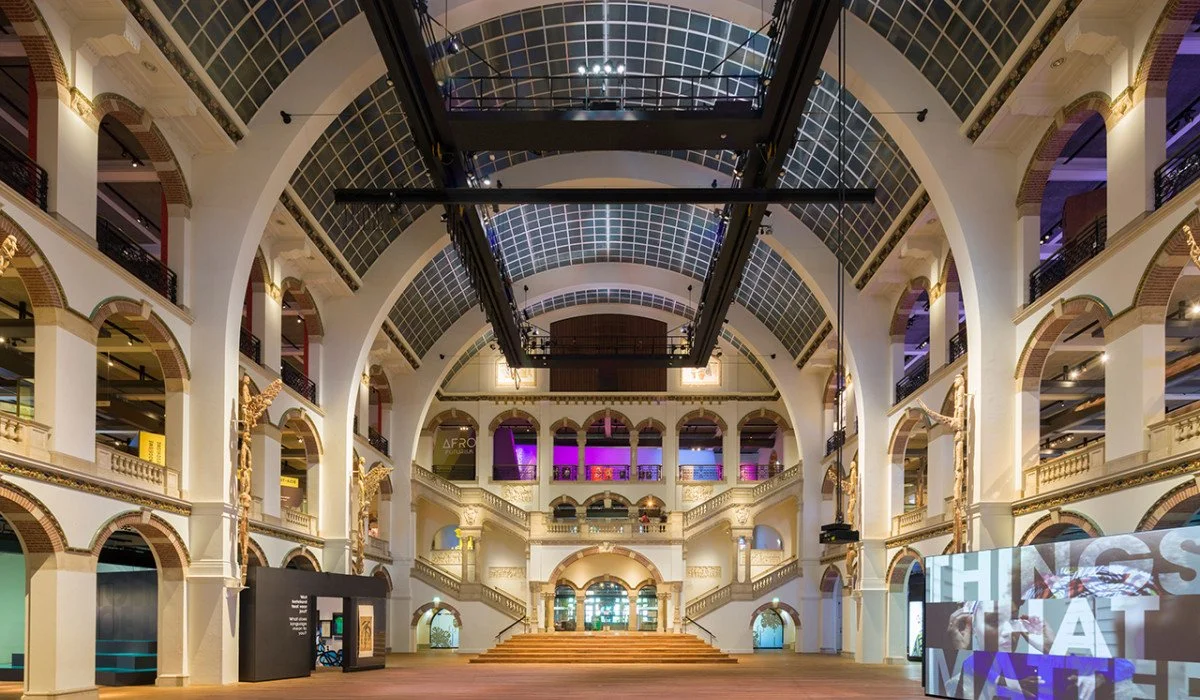
A short walk from the park brings you to the Wereldmuseum, also known as the Tropenmuseum. The museum explores global cultures, art, and colonial history through both historical collections and contemporary exhibitions.
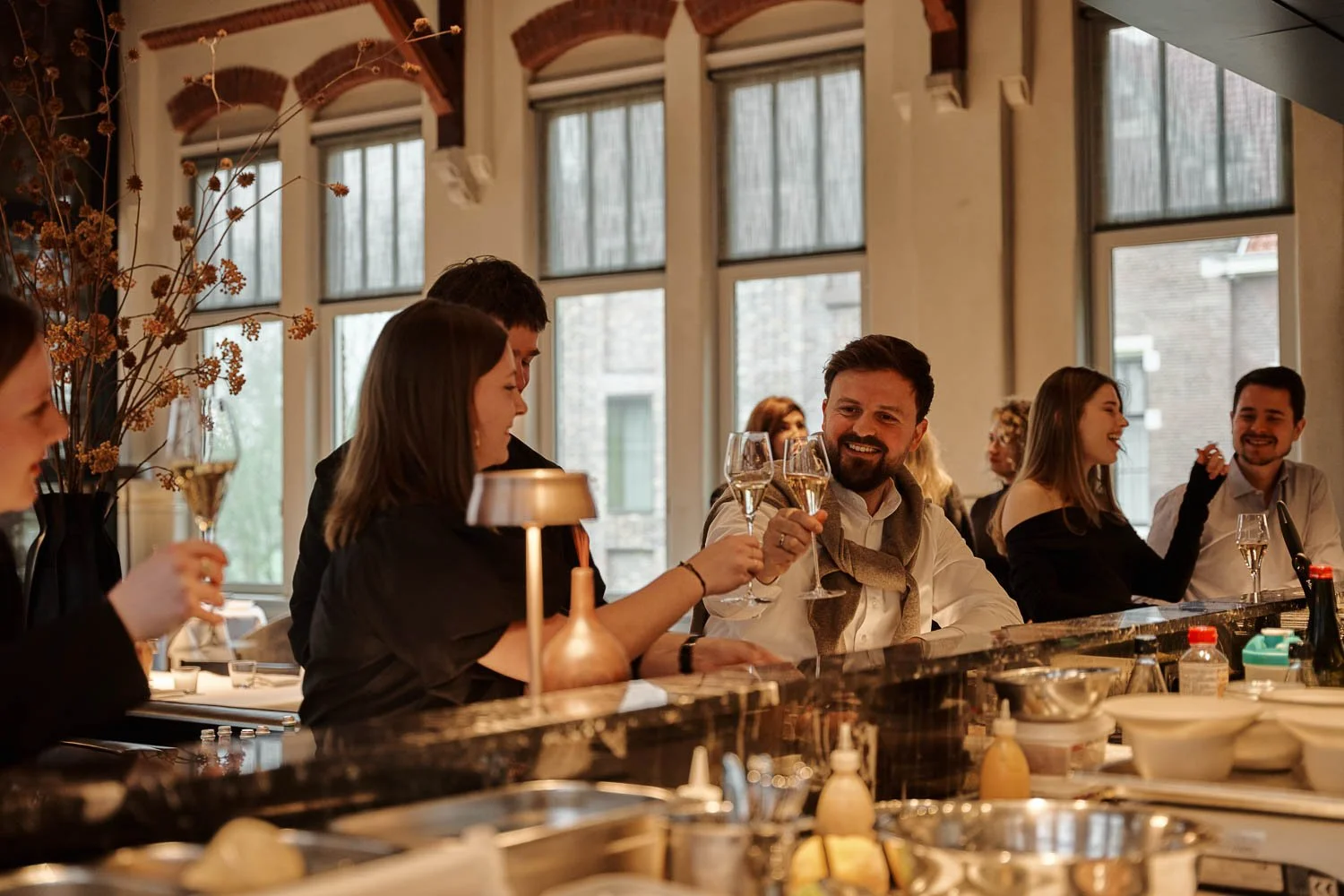
The building itself is worth a visit, with its high ceilings, grand staircases, and early twentieth-century architectural details. Elements of the museum's atmosphere can also be recognised inside VanOost, the fine dining restaurant at Pillows Maurits at the Park, where parts of the interior design were inspired by the building.
Amsterdam East also carries traces of artistic history. Vincent van Gogh spent time in this part of the city during his early Amsterdam years.
Beyond the park
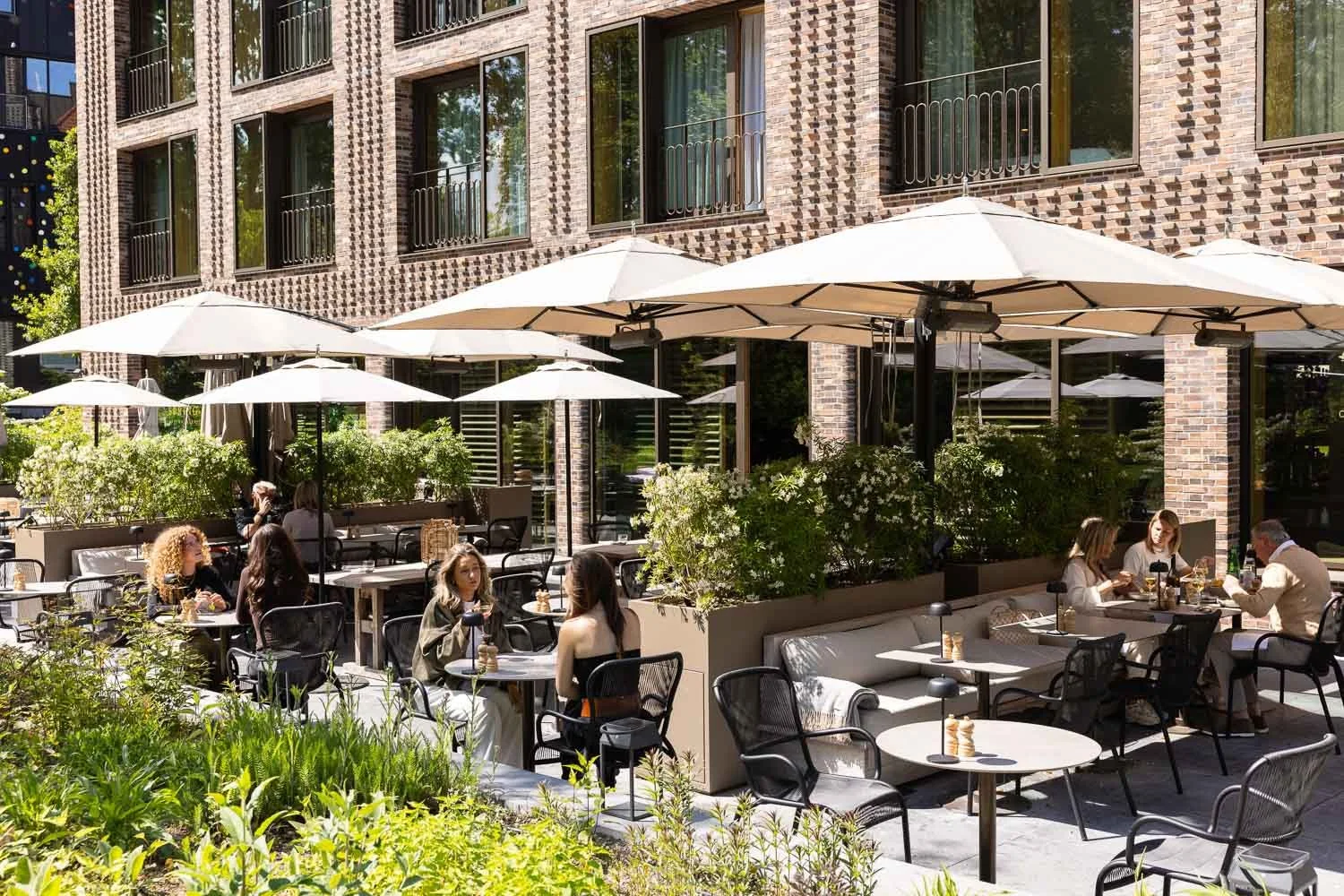
Around lunchtime, many guests find themselves back at Oosterpark. Spring Café Brasserie is a natural place to pause, particularly in summer when the terrace opens directly onto the park.
From there, Amsterdam East is easy to explore on foot. One street leads towards wine bars and cafés, another towards quieter residential blocks lined with old brick facades and mature trees.
Further east stands Brouwerij ’t IJ beside the De Gooyer windmill. On warmer afternoons, the terrace fills with locals gathering outside over craft beer.
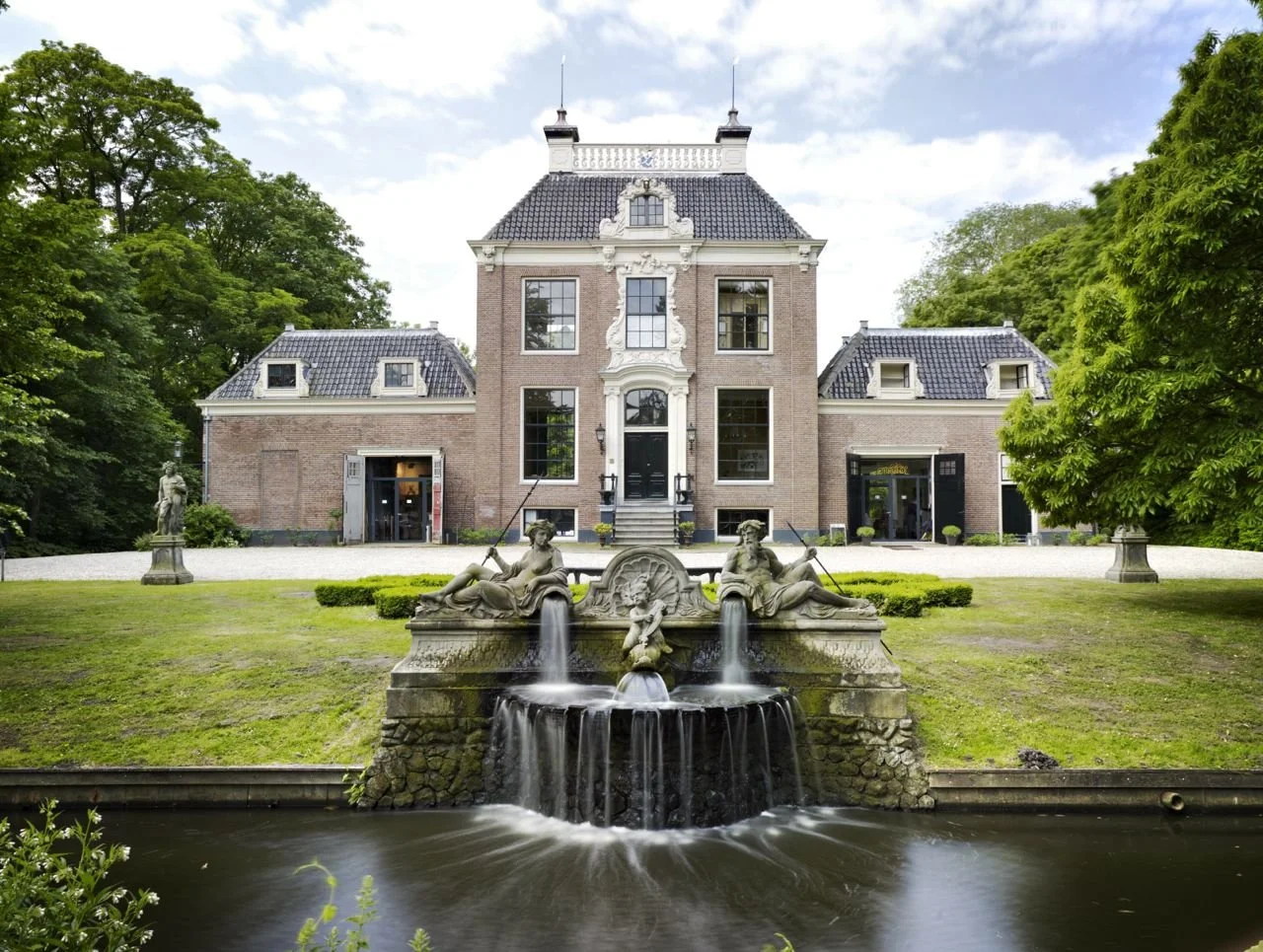
Not far away, Park Frankendael offers a different pace. One of the area's best-known restaurants is De Kas, where seasonal menus are built around ingredients grown in the surrounding gardens and greenhouses.
One place I often mention to guests is Linnaeushof. Built in 1924 as a residential courtyard designed by architect Kropholler, it still feels lived in today, with residents, schoolchildren, and tennis players sharing the space as part of daily life.
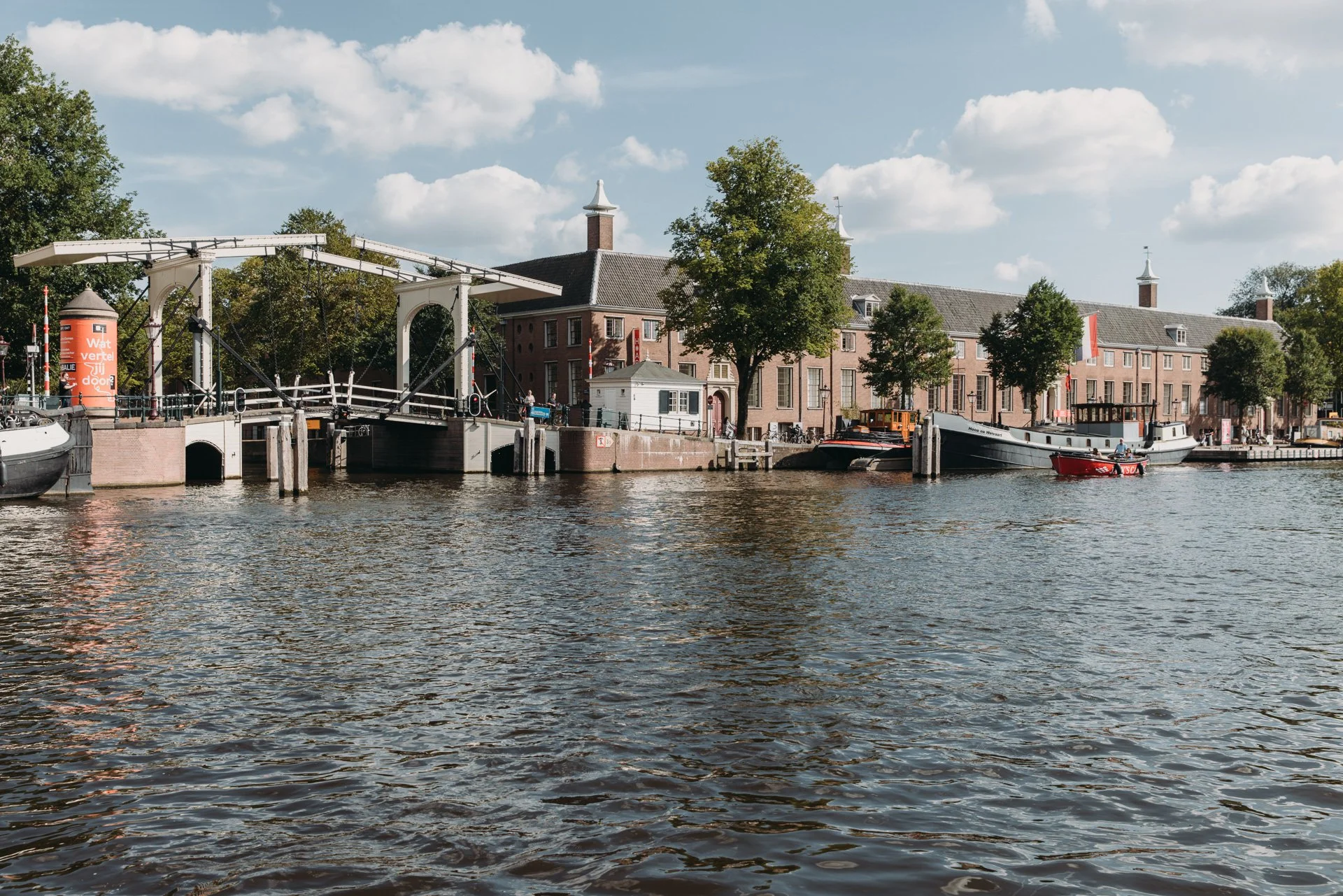
Continuing towards the city centre, the H'ART Museum hosts a changing programme of major international exhibitions. Located along the Amstel River in the historic Amstelhof building, it has become one of Amsterdam's leading cultural destinations.
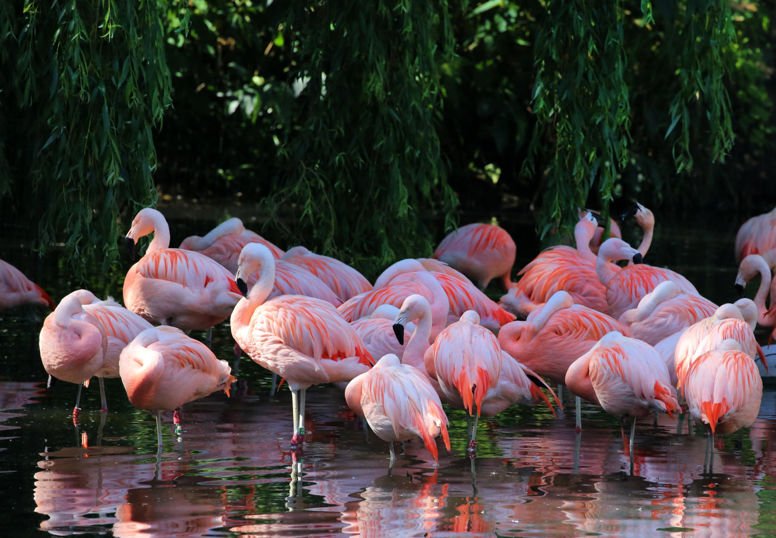
Nearby, the Plantage neighbourhood opens into broad avenues lined with museums, botanical gardens, and historic institutions. ARTIS remains especially popular with families, while the surrounding streets are among the greenest and most spacious in the city.
Evening in Amsterdam East
Towards evening, Oosterpark changes again. The lawns empty gradually, restaurants around the park begin filling for dinner, and people settle onto benches before heading home.
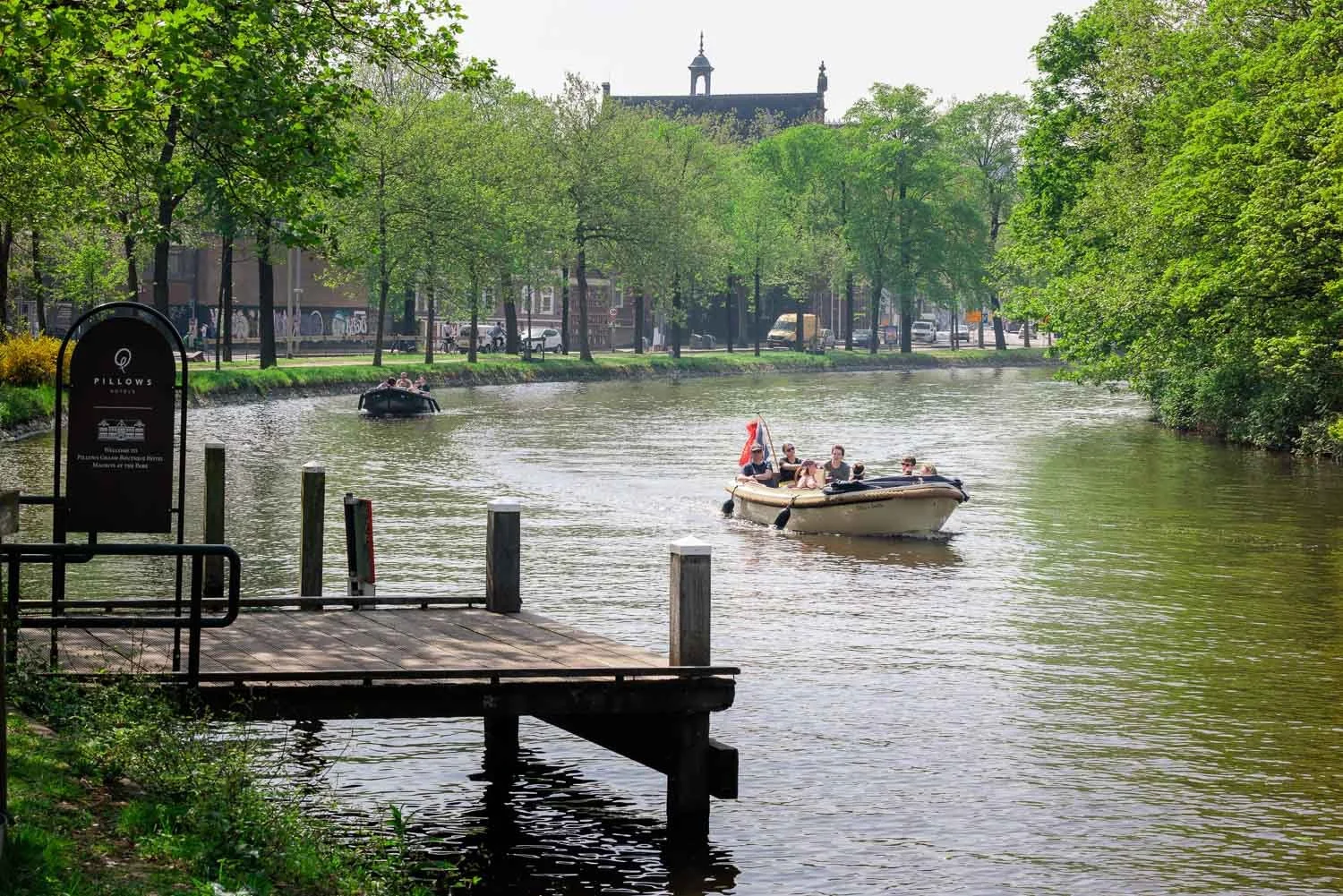
One of my favourite ways to return towards the centre is from the hotel's private jetty. Seeing Amsterdam from the water changes your view of the city completely. Starting in Amsterdam East, the canals feel calmer at first before gradually connecting to the historic canal belt.
Especially as the evening light settles over the water, it becomes one of the most memorable ways to experience Amsterdam.
Staying beside Oosterpark
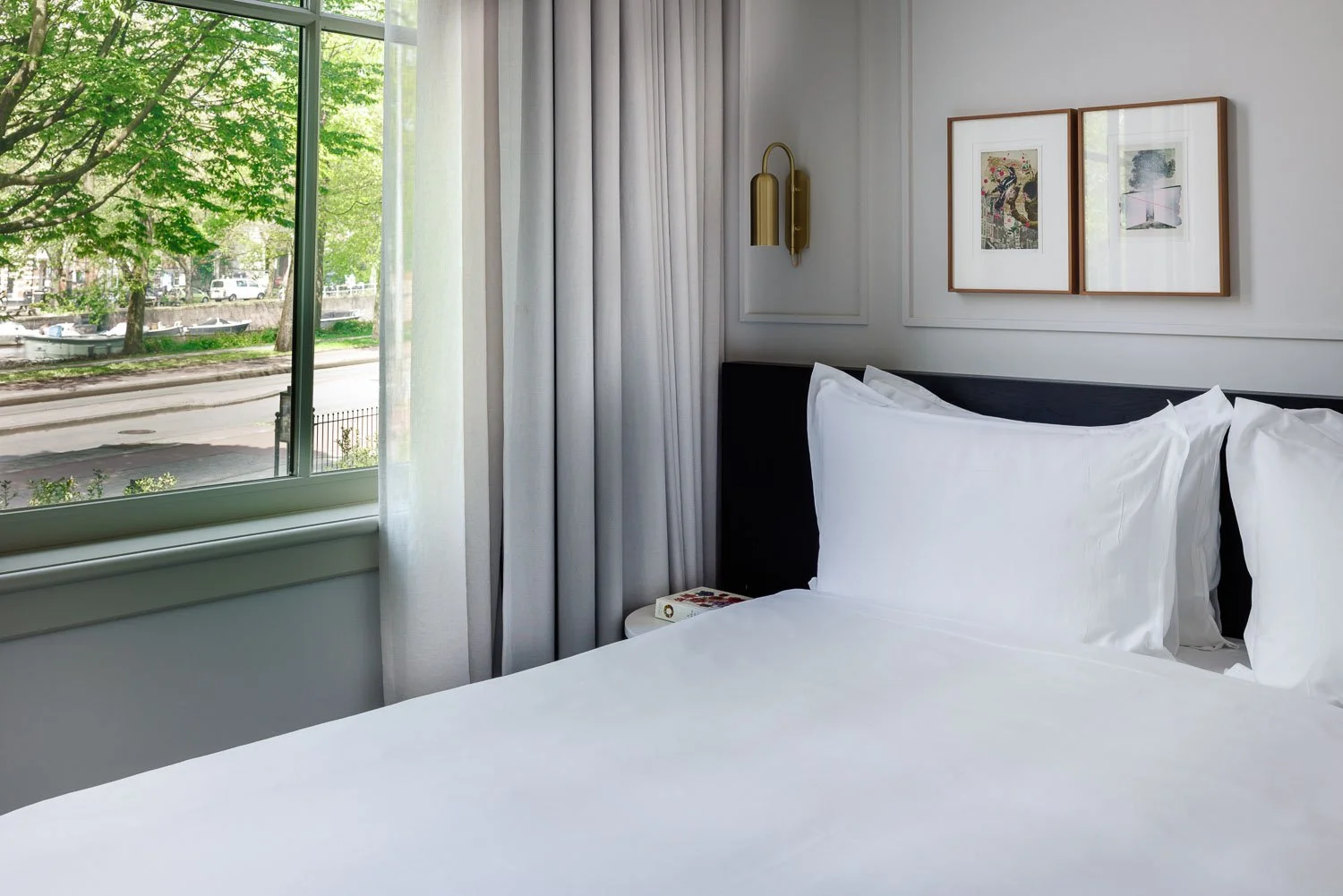
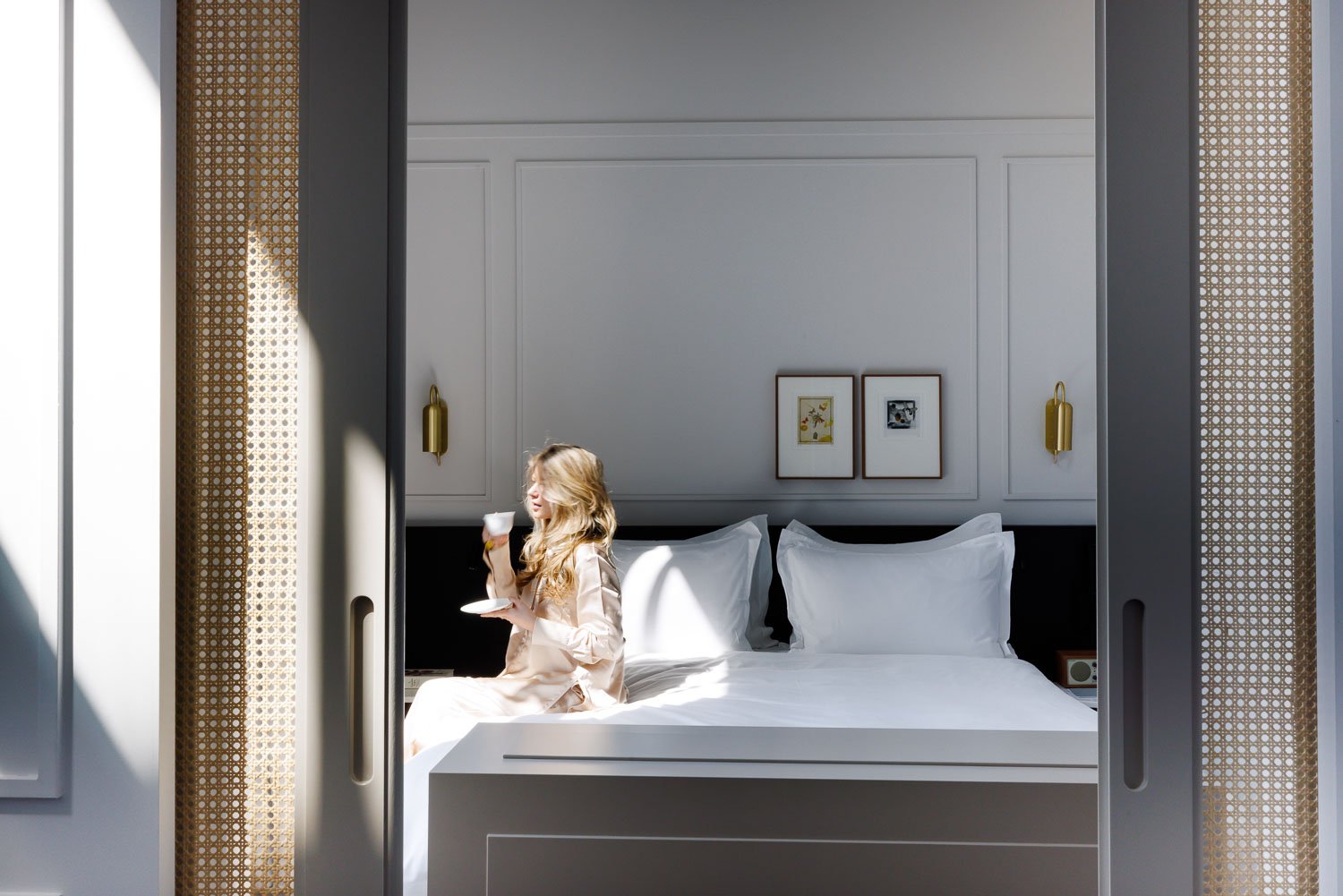
Pillows Maurits at the Park combines the calmer atmosphere of Amsterdam East with quick access to the historic centre, museums, and canal belt.
With secure underground parking, nearby public transport connections, and direct canal access from the hotel's private jetty, it becomes easy to experience Amsterdam at a slightly different pace.
If you are looking for recommendations during your stay, feel free to stop by the concierge desk in The Living. We are always happy to help shape the day around what you enjoy most, whether that is a quieter walk through the neighbourhood, a cycling route along the Amstel, or a table for lunch nearby.
Warm regards,
Sam Lasschuyt
Junior Concierge
Pillows Hotels Maurits at the Park