By Stefan Laarman, Concierge, Les Clefs d’Or
A first visit to Amsterdam can feel like there is a lot to take in. This guide helps you make the most of your first 48 hours, combining the city’s essential highlights with time to explore at your own pace. You will see how the different parts of Amsterdam connect, from the canals to its neighbourhoods and museums.
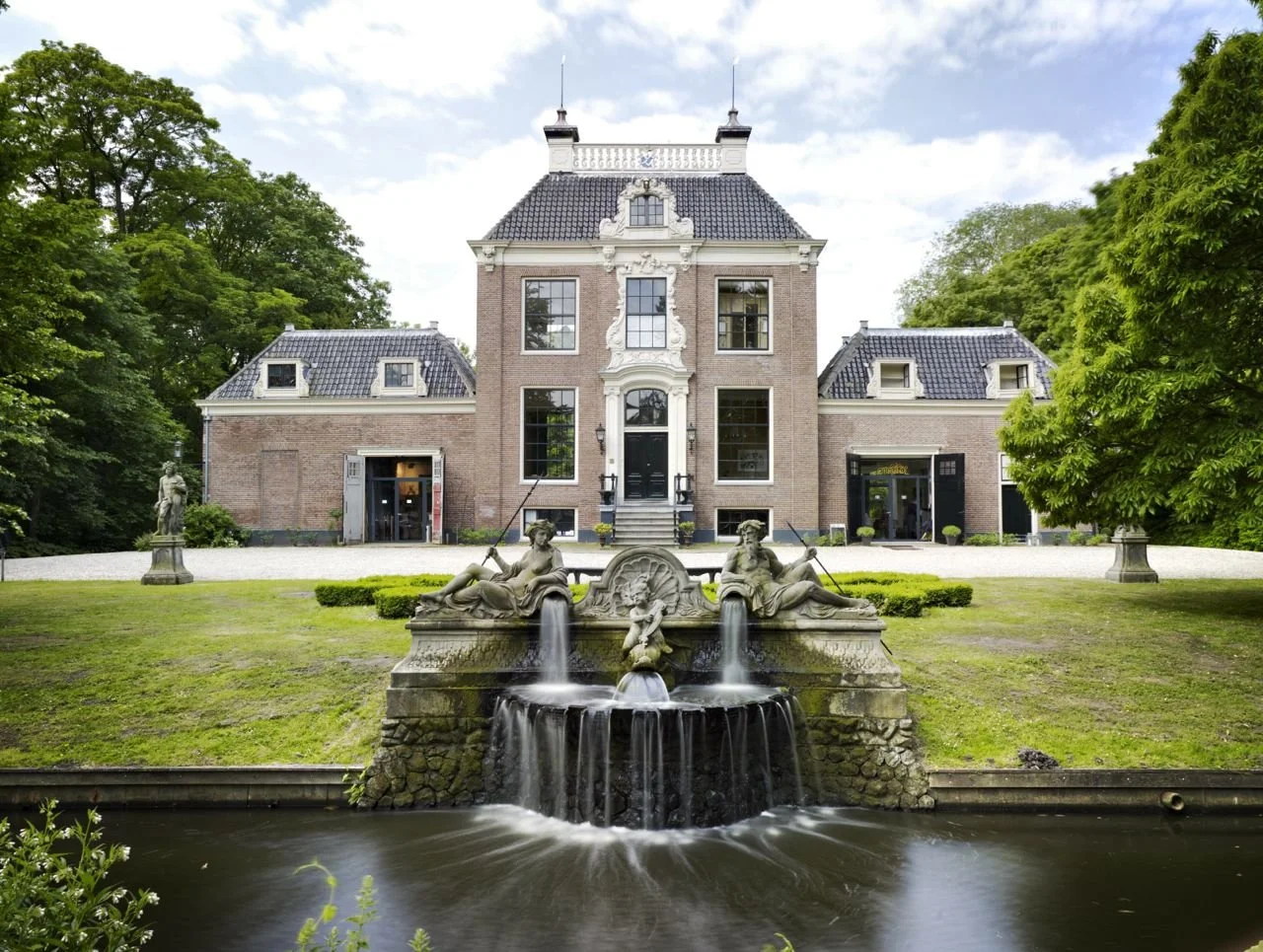
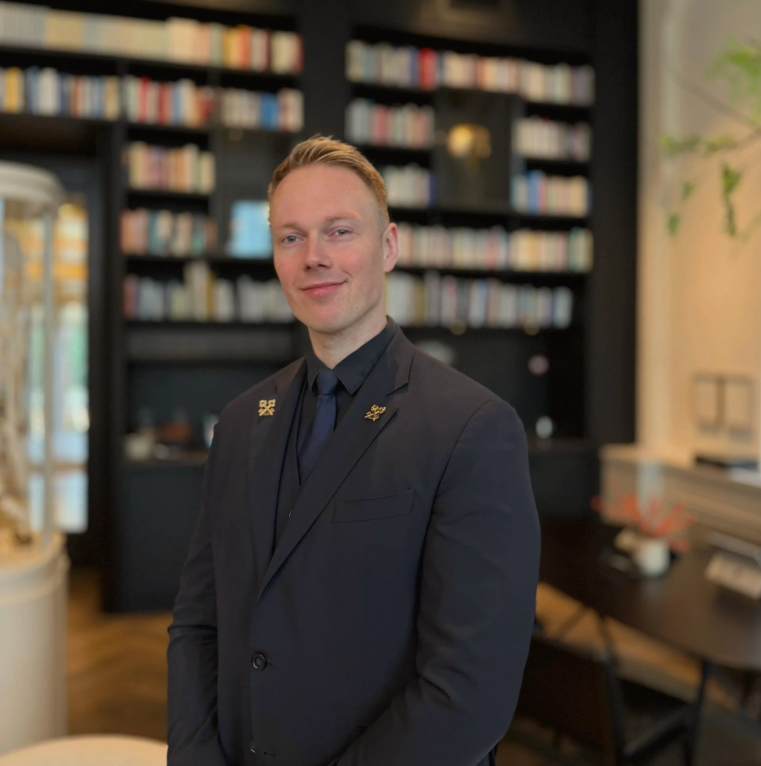
I’m Stefan Laarman, part of the concierge team at Pillows Maurits at the Park and a member of Les Clefs d’Or. Over the years, I have helped many guests discover Amsterdam for the first time, and I still enjoy seeing the city through their eyes. No visit is ever quite the same, which is why I always take time to understand what someone is looking for and shape my recommendations around that.
“In Amsterdam, history is part of everyday life. You see it in the streets, along the canals, and in how people spend time outdoors whenever they can. The best way to experience the city is to slow down and wander.”
If this is your first visit, you will quickly notice how much there is to see. My advice is simple. Start with the essentials, then take time to explore what catches your eye along the way.
Below is how your first 48 hours in Amsterdam could unfold.
Amsterdam in 48 hours at a glance
Day 1: Canals, Rijksmuseum, Van Gogh Museum, Jordaan
Day 2: Dutch Resistance Museum, hidden museums, Nieuwmarkt
Optional: Explore beyond Amsterdam
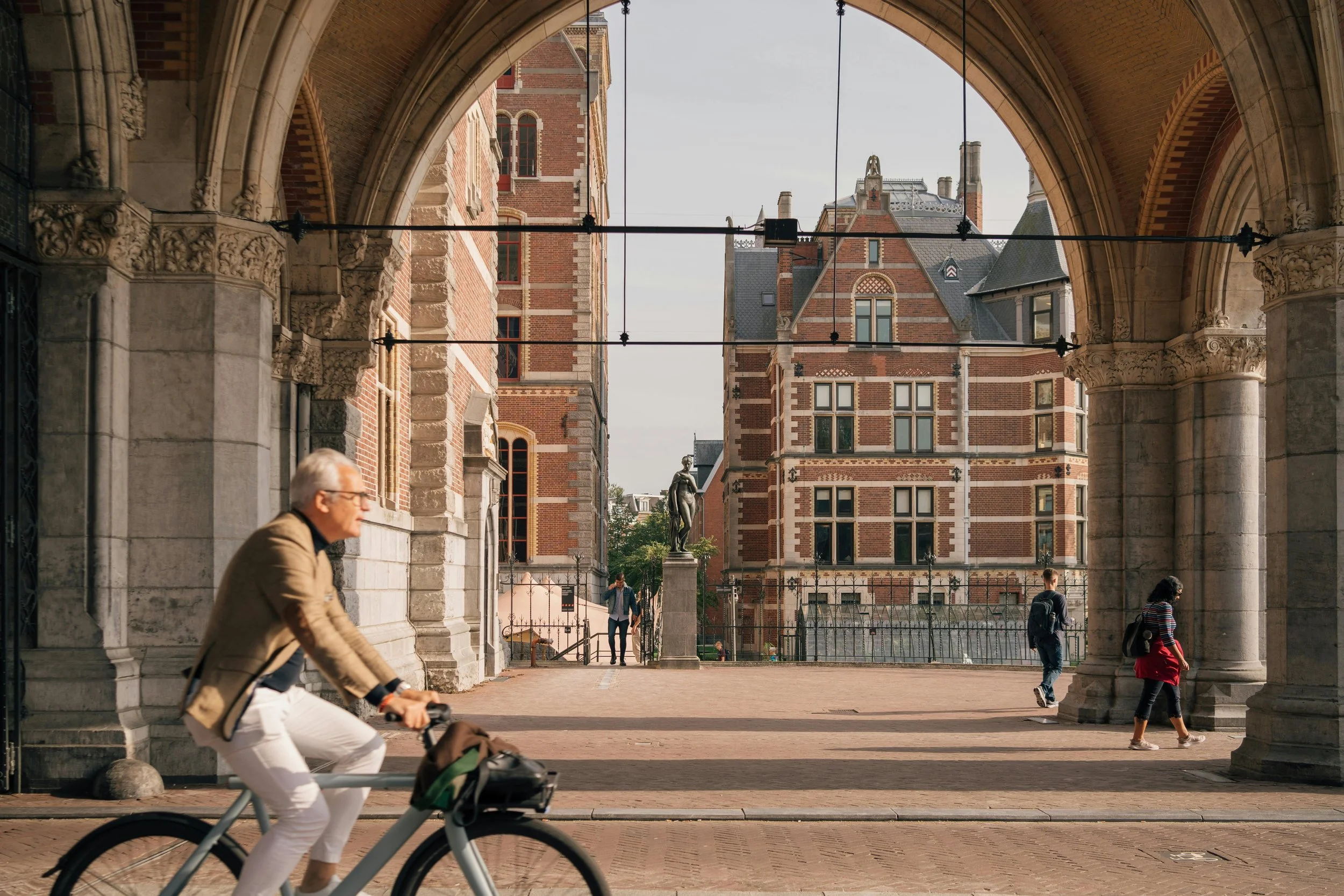
Day one. Amsterdam’s historic canals and cultural highlights
Morning. Amsterdam from the water
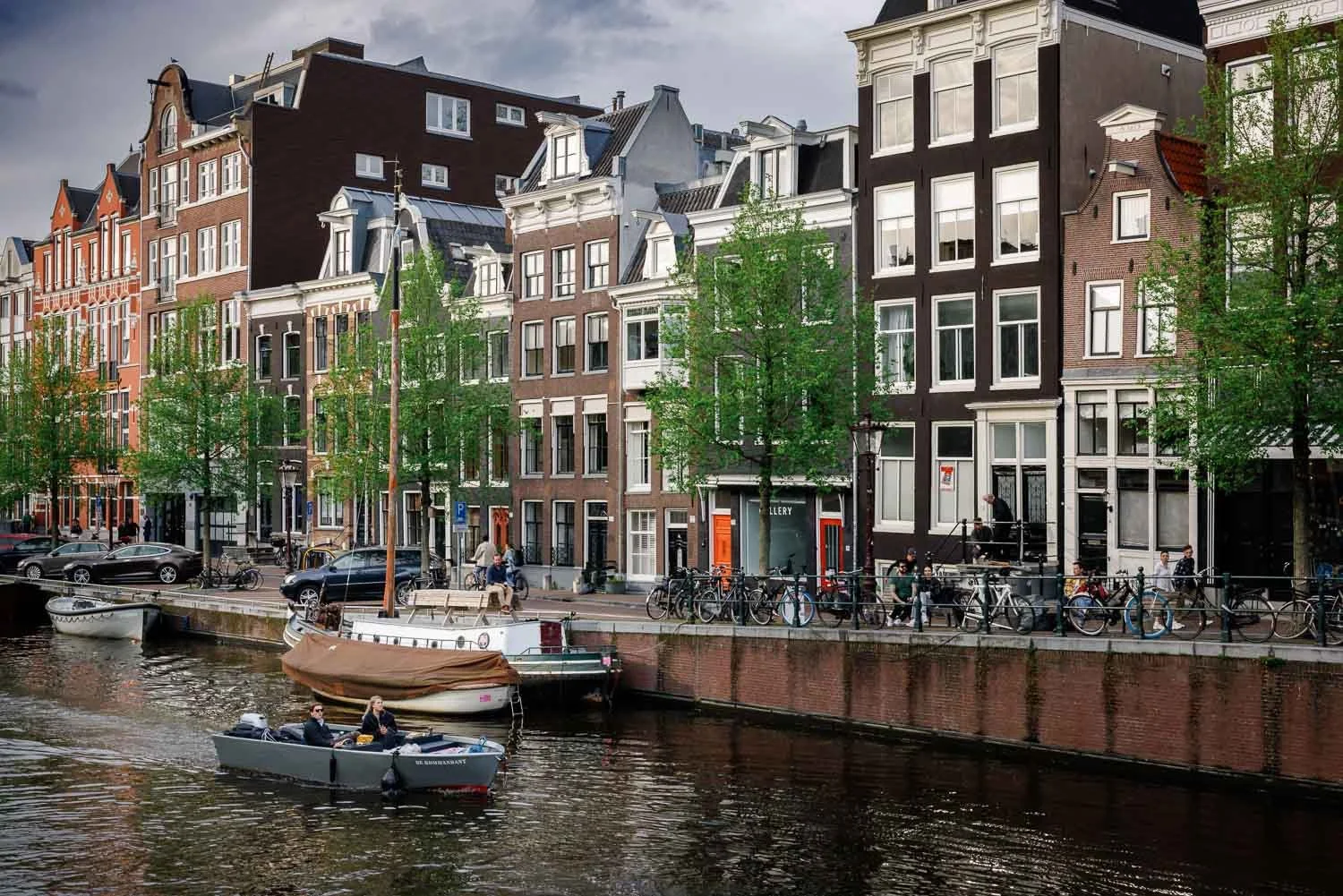
Seeing Amsterdam from the canals gives you a clear sense of the city and its history. The canal belt is part of the UNESCO World Heritage list, and once formed the foundation of daily life in the city. Goods, people and ideas all moved across the water, shaping how Amsterdam grew and functioned.
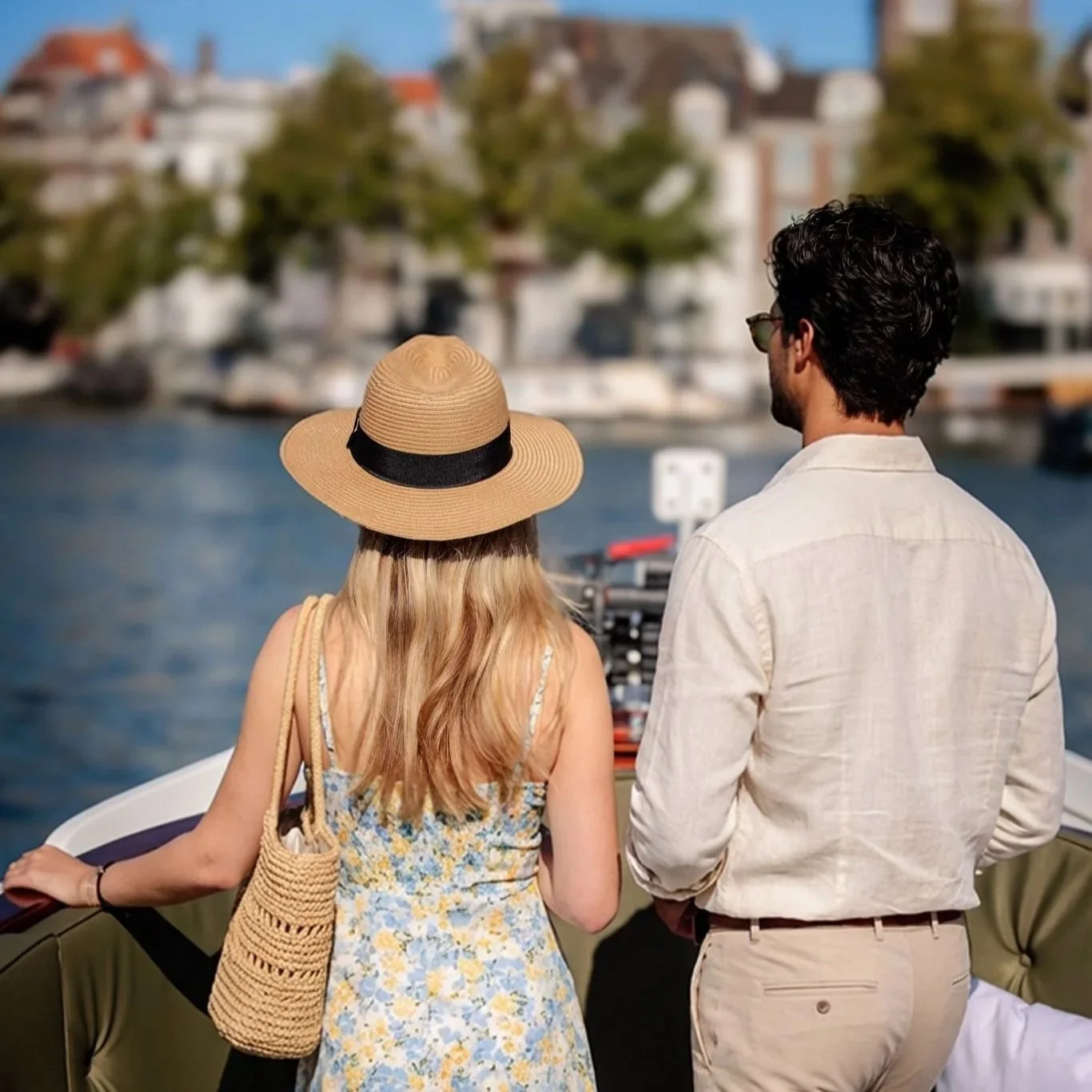
From Pillows Maurits at the Park, your day can begin right at the hotel. A private canal tour can depart from the jetty opposite the hotel on the Singelgracht, with the option to be dropped off close to Museumplein, allowing you to continue your visit on foot. As you pass through the canals, your skipper can share stories and point out details you might otherwise miss, turning the journey into more than just transportation.
It is often at this point that the city begins to feel more familiar.
Late morning. Rijksmuseum and Van Gogh Museum
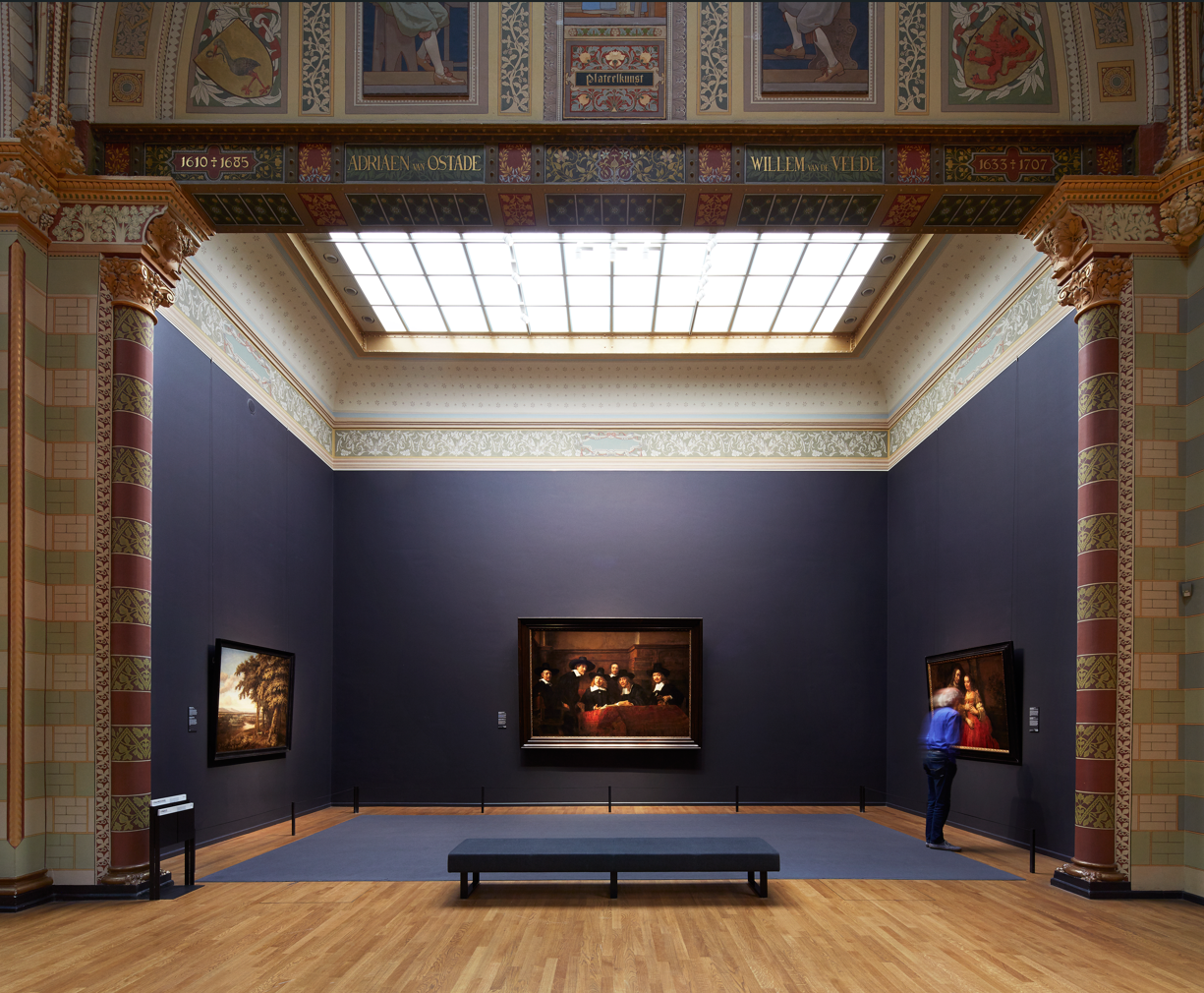
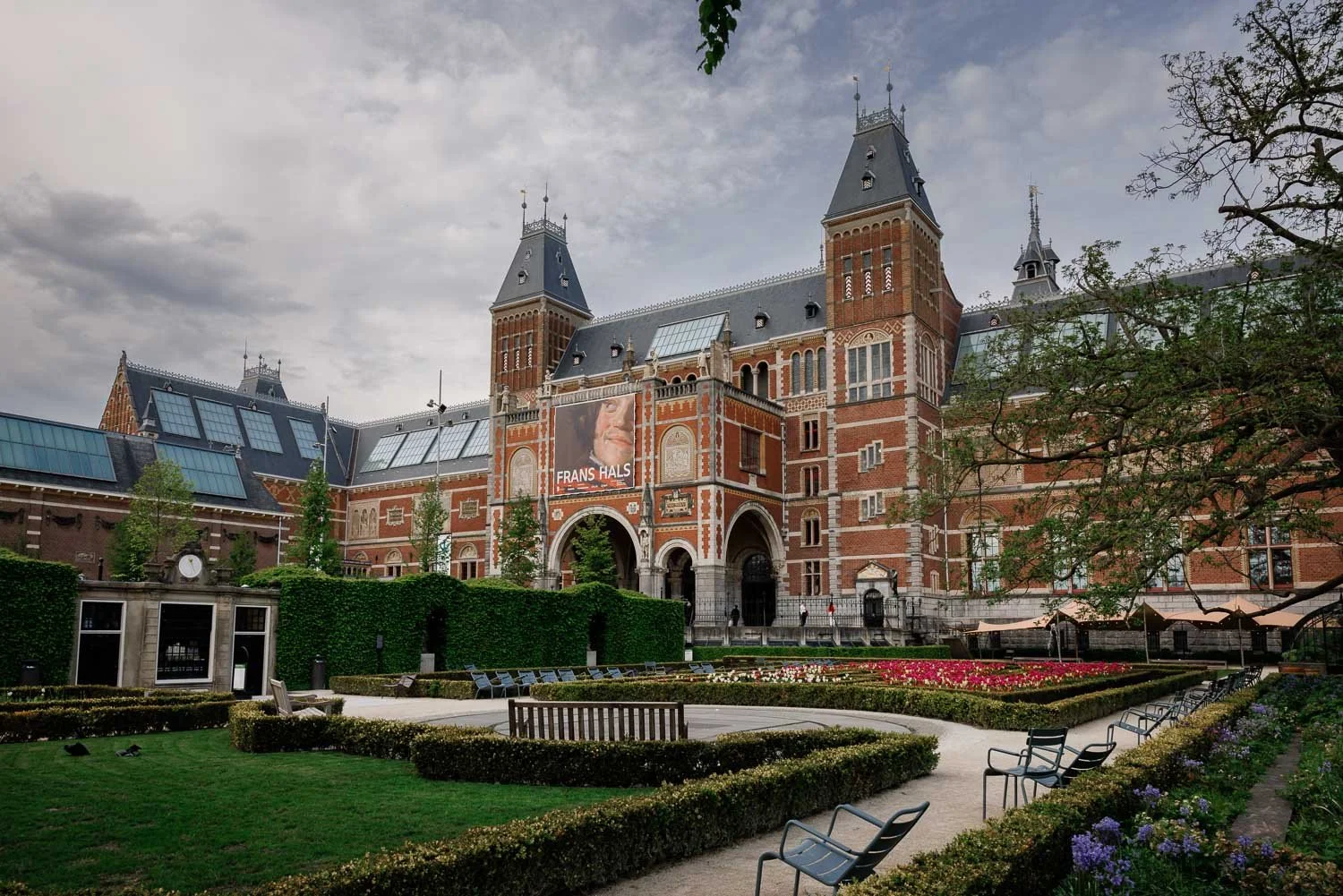
Continue to Museumplein, where the Rijksmuseum and Van Gogh Museum are key stops for a first visit. Even if you are not usually drawn to museums, the Rijksmuseum offers a clear introduction to the Dutch Masters. Works by Rembrandt, Vermeer and Frans Hals give a sense of how the Netherlands saw itself during the Golden Age. Standing in front of The Night Watch, you begin to understand the scale and ambition of that period.
If time allows, step into the Rijksmuseum’s library. The space is quiet and unexpected, with rows of books rising several floors high. Many visitors pass it without noticing, yet it is well worth seeking out.
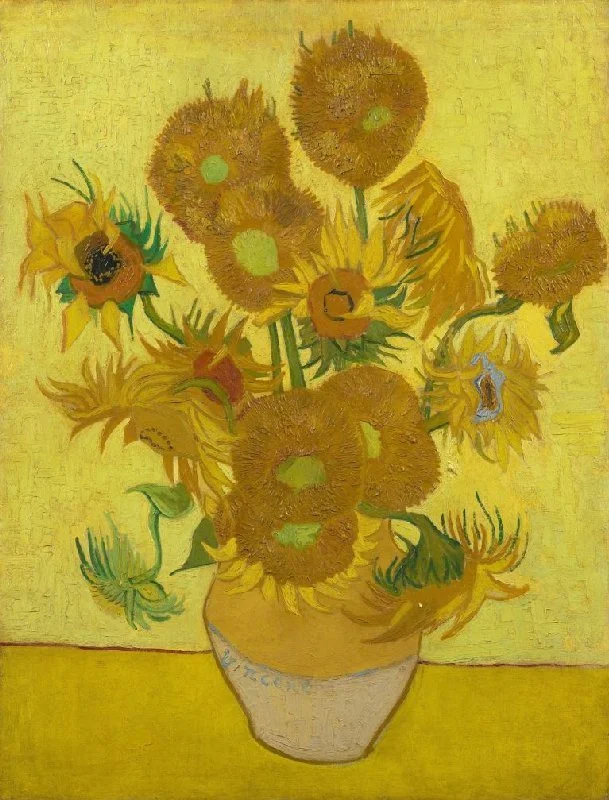
A short walk away, the Van Gogh Museum offers a more personal perspective. The combination of his paintings and letters gives insight into his life and often leaves a lasting impression.
Afternoon. The Jordaan
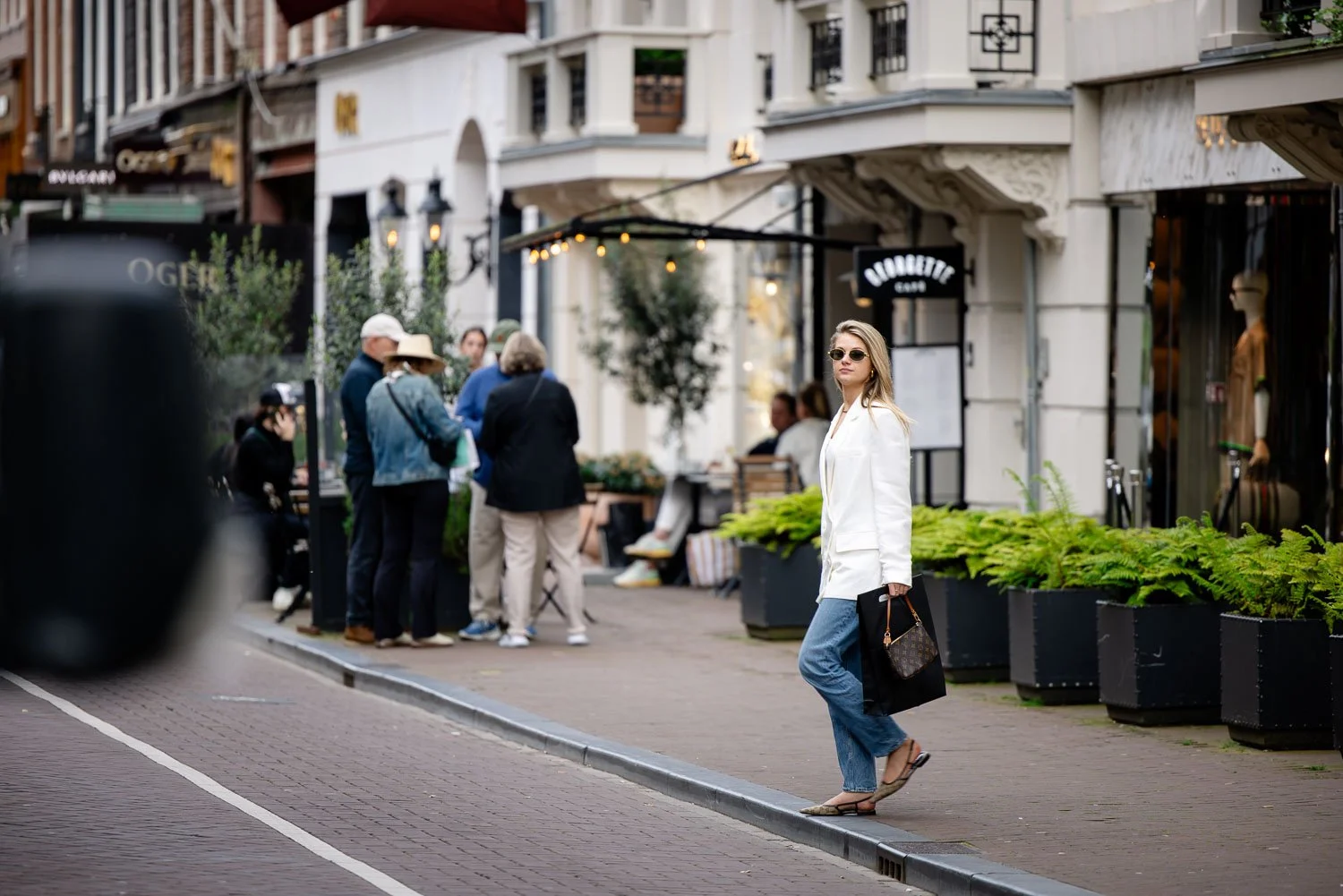
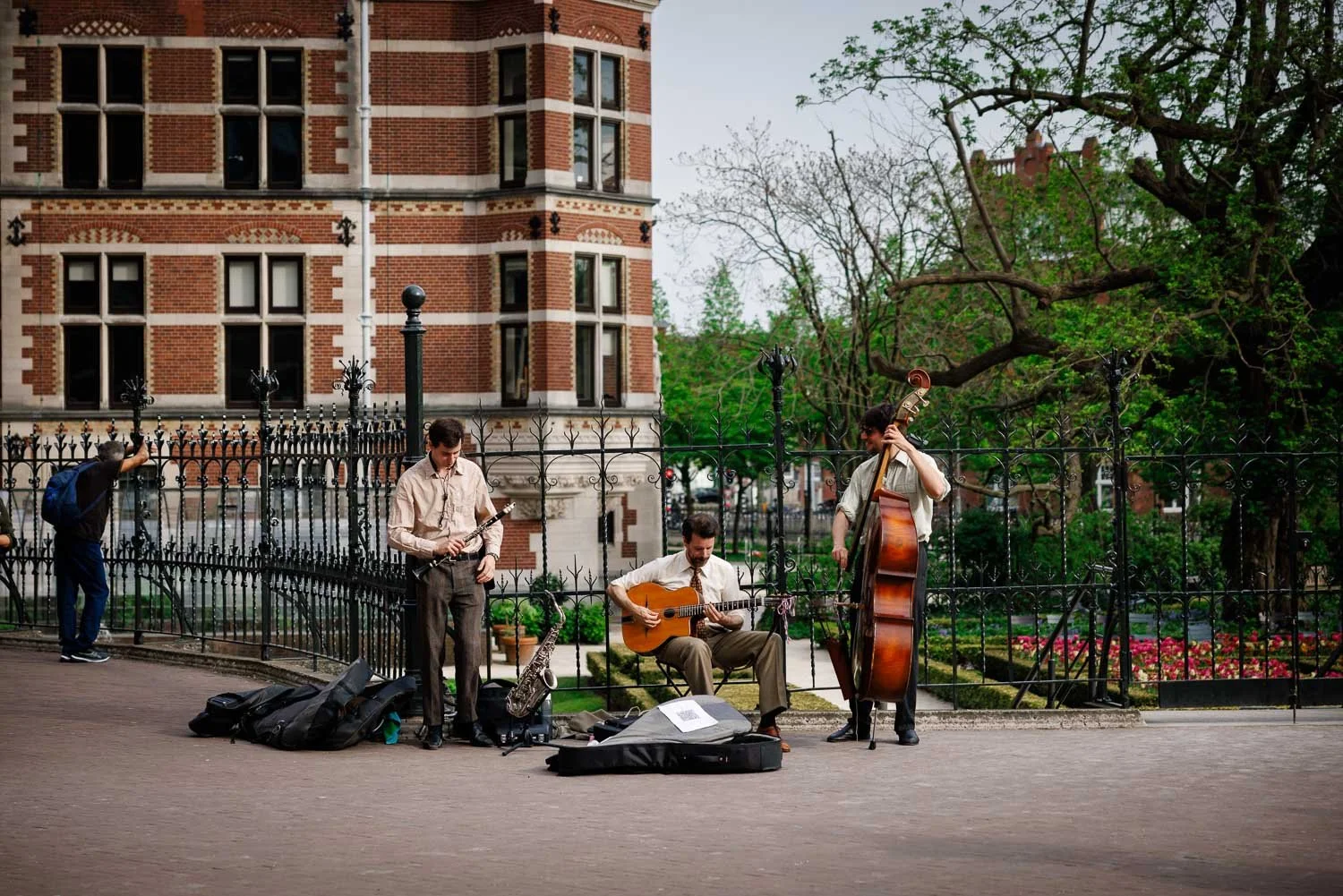
In the afternoon, walk into the Jordaan. This neighbourhood was originally developed for workers and artisans, and that character remains visible today.
There is no need for a strict plan here. Some of the best moments happen by chance. A small gallery you did not expect, a quiet street, or a café where you decide to stay a little longer than planned.
When time allows, a visit to the Grachtenmuseum adds another layer to what you have seen. Set inside a former canal house, it explains how Amsterdam’s canals were designed and built, and how they shaped the city you experienced earlier from the water.
The Begijnhof is another place I particularly enjoy, and one I find truly unique. Hidden behind a simple entrance, this quiet courtyard dates back to the Middle Ages and offers a rare sense of calm in the centre of the city. It is one of the few places where you can still glimpse what Amsterdam once felt like on a smaller scale.
Evening. Along the canals
As the day slows, the city becomes calmer. The canals reflect the evening light, and the pace shifts.
This is one of my favourite moments in the city. Just after sunset, when the bridges begin to light up, everything feels more intimate. Each season brings a slightly different atmosphere. Long summer evenings feel open and lively, while in autumn and winter the city becomes quieter, with soft light reflecting on the water.
After a day in the city, returning to Pillows Maurits at the Park offers a quieter moment to unwind and take in the day, perhaps over a relaxed dinner. If you prefer to stay out, the Jordaan and canal belt offer many places for dinner along the water.


Day two. Resistance, hidden places and the city’s past
Morning. Dutch Resistance Museum
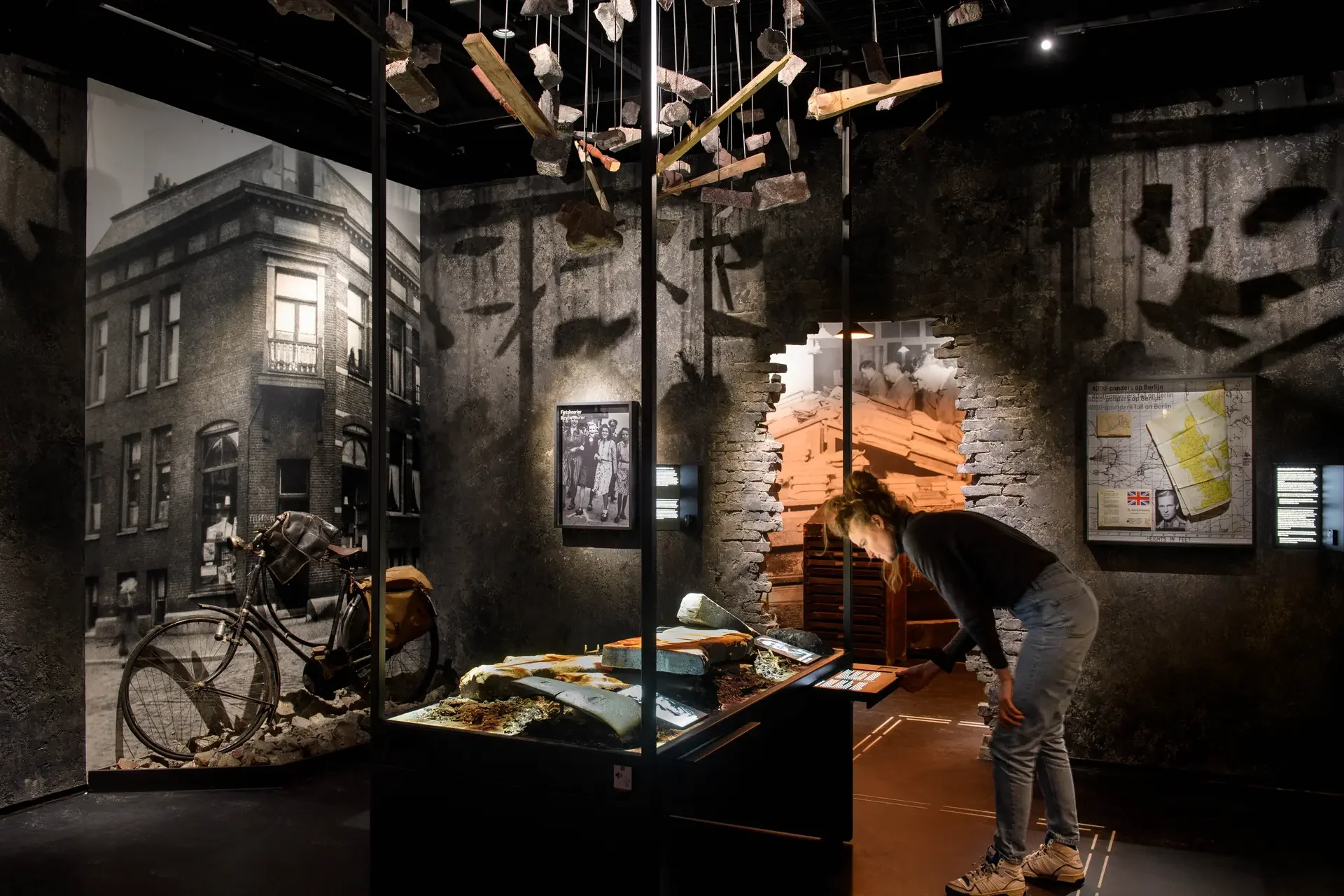
Begin your day with a visit to the Dutch Resistance Museum. It offers a clear and personal perspective on life in the Netherlands during the Second World War.
What makes this museum stand out is its focus on individual stories, bringing history close in an unexpected way.
After your visit, Café Winkel 43 in the Jordaan is a pleasant place to pause. They are known for their apple pie, and arriving a little earlier often allows for a quieter moment to enjoy it.
Late morning. A hidden church
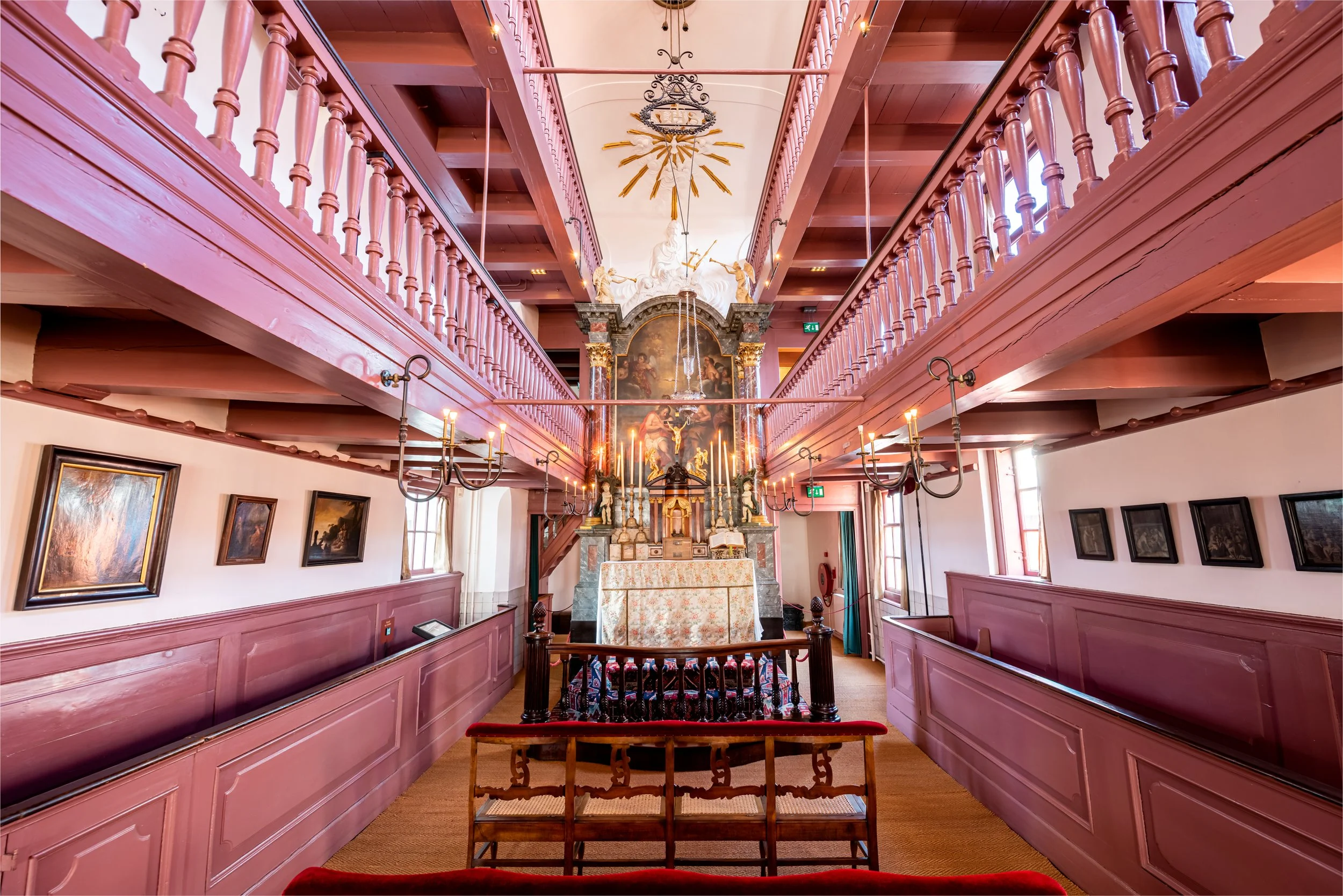
Museum Our Lord in the Attic looks like a canal house from the outside. Inside, it reveals a complete church built in secret in the 17th century.
It is one of those places that continues to surprise. As you reach the top floor and the space opens up, a sense of wonder follows. It makes you question what else might be hidden behind the façades of the other canal houses.
Afternoon. Nieuwmarkt and De Waag
Continue to Nieuwmarkt. De Waag stands at the centre of the square and reflects Amsterdam’s history as a trading city.
It is a lively place, especially in the afternoon, where many choose to sit for a drink and take in the atmosphere before continuing.
By now, you have seen many highlights. The rest of the afternoon is yours to explore at your own pace.
Evening. A relaxed ending
For your final evening, keep things simple. A walk along the canals or a relaxed dinner often feels just right.
Sometimes, the last evening is when everything comes together. The city feels more familiar, and you move through it with ease.
Consider this itinerary a starting point. Some of the most memorable moments in Amsterdam are often unplanned. A street you had not noticed, a place you decide to stay a little longer, or a route that leads somewhere unexpected. Try not to make your schedule too fixed, and allow yourself time to explore and get a little lost along the way.
The city changes with the seasons, and so does the way you experience it. Whether you visit in the longer days of summer or the quieter months of winter, there is always a different side of Amsterdam to discover.
If you would like to adjust your plans, discover something more specific, or explore beyond the city, my team and I are here to help.
Warm regards,
Stefan Laarman
Concierge, Les Clefs d’Or
Pillows Hotels Maurits at the Park